
What Are The Applications Of Color Sorting Machines In The Food Processing Industry?
The market prospect of sorters is broad, and the continuous growth is driven by the demands in multiple fields
Recent research reports indicate that the global market size of sorters is expected to grow from 2.136 billion US dollars in 2024 to 3.363 billion US dollars in 2031, with a compound annual growth rate (CAGR) of 6.8% during the period from 2025 to 2031. As a key equipment for bulk material or packaging industrial products, food quality inspection and grading, the sorter is accelerating the replacement of manual sorting in multiple fields with its advantages of automation and high efficiency, and has huge market potential.
The demand for food and mining industries is strong, and the upgrading of automation is the main reason
In the food industry, the application of sorters has become very widespread. Take the new type of date sorting machine as an example. It utilizes advanced artificial intelligence and sensor technology. Through a high-resolution image acquisition system and deep learning algorithms, it can precisely analyze multi-dimensional information such as the size, shape, weight, and color of dates, achieving high-precision grade determination and significantly enhancing the sorting efficiency and accuracy. This automated sorting method not only meets the strict requirements of the food industry for product quality consistency, but also significantly reduces labor costs. With the continuous improvement of consumers' demands for food quality and the need for large-scale production by food enterprises, the market space for sorters in the food industry will continue to expand.
The mining industry also has a strong demand for sorters. With the global growth in demand for mineral resources, the market size of ore separators, as key equipment for separating valuable minerals from waste materials, is constantly expanding. In particular, the accelerated industrialization process in emerging market countries and the advancement of infrastructure construction have further stimulated the demand for mineral resources. As one of the world's largest markets for mining machinery, China's demand for mining machinery manufacturing has grown from 5.6147 million tons in 2018 to 6.2357 million tons in 2022. It is expected that this growth trend will continue in the coming years. The application of intelligent ore sorting machines not only enhances the production efficiency and product quality of the mining industry, but also contributes to achieving the goal of green mine construction and promoting the sustainable development of the mining industry.
Technological innovation drives development, and application scenarios are constantly expanding
The vigorous development of the sorter market is inseparable from the continuous innovation of technology. At present, sorters are moving towards automation, intelligence, high efficiency and low energy consumption. In the field of semiconductor testing and sorting, the global market size of IC testing and sorting machines was 1.79 billion US dollars in 2022 and is expected to reach 3.98 billion US dollars in 2029, with a compound annual growth rate of 11.52%. Domestic large-scale packaging and testing enterprises have been continuously increasing their production capacity, further expanding the market scale of testing and sorting equipment. For instance, some semiconductor testing and sorting equipment enterprises have launched three-temperature sorters and large-platform multi-station testing and sorting machines through technological research and development and product iteration, meeting the testing demands of various scenarios and driving up sales.
In terms of optical sorting technology, it has taken the largest share of revenue in the sorting machine market in 2024, thanks to its advantages of improving production accuracy and reducing production costs. Many enterprises have launched optical sorters with advanced technologies. For example, Satake USA launched the FM SR-IR optical sorter in October 2020, which integrates advanced RGB technology and shape sorting functions, and can effectively remove defects in products. This technological innovation enables the scoring and selection machine to be applied in more complex scenarios, further expanding the market boundaries.
The Asia-Pacific region has huge potential, and the competitive landscape may undergo changes
From the perspective of regional markets, the Asia-Pacific region is the world's largest sorter market, currently accounting for approximately 43% of the share. Among them, the Chinese market stands out particularly. In 2023, China's share of the global ore separator market reached 50.45%, and it is expected to reach 42.97% by 2030. Sales are projected to increase from 205.81 million US dollars in 2023 to 365.41 million US dollars. With the acceleration of industrialization in the Asia-Pacific region and the increasing demand for automated and intelligent production in various industries, it is expected that the region will maintain the fastest growth rate in the coming years, with a CAGR of approximately 17.39% during the period from 2024 to 2030. Especially in countries like India, as their emphasis on automated production continues to increase, the demand for sorters is expected to witness a significant growth.
In the future, competition in the sorter market will become even more intense, especially in the Chinese market. In order to seize market share, major enterprises have adopted new strategies such as product development, mergers and acquisitions, and geographical expansion one after another. In the field of semiconductor testing and sorting, although foreign manufacturers have certain advantages by virtue of technological accumulation and customer base, domestic enterprises are accelerating their catch-up. The performance of some domestic semiconductor equipment has gradually surpassed that of overseas ones, and the localization process of sorting machines is constantly accelerating. In application fields such as food and mining, enterprises are also enhancing the competitiveness of their products through technological innovation, striving to gain a share in the rapidly growing market.
Recommended product
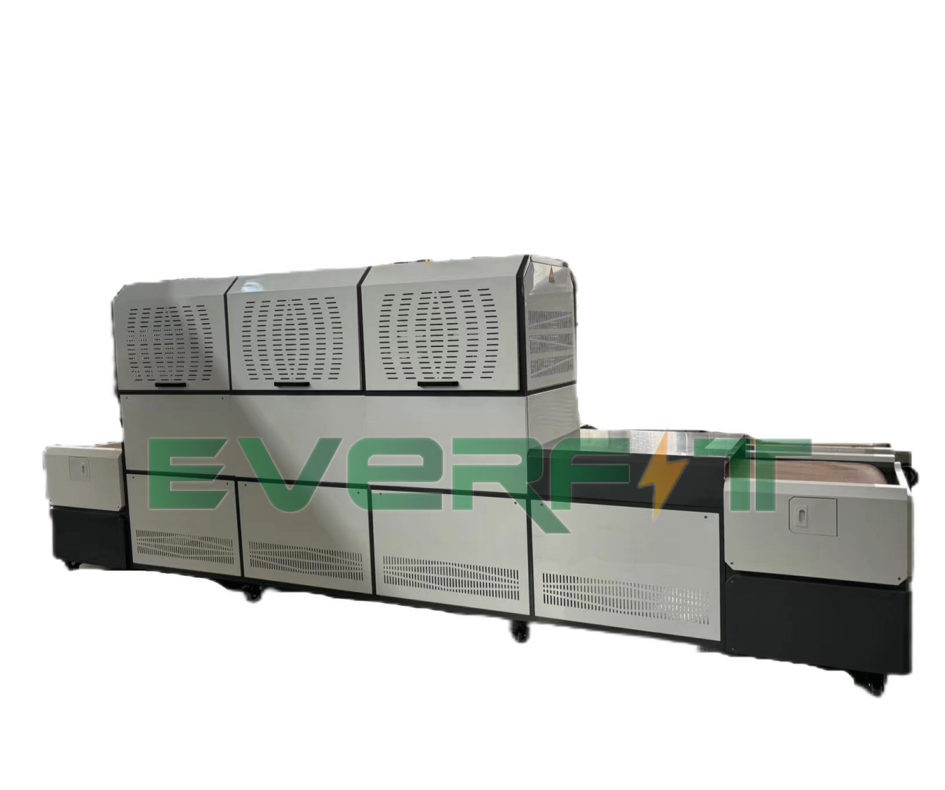
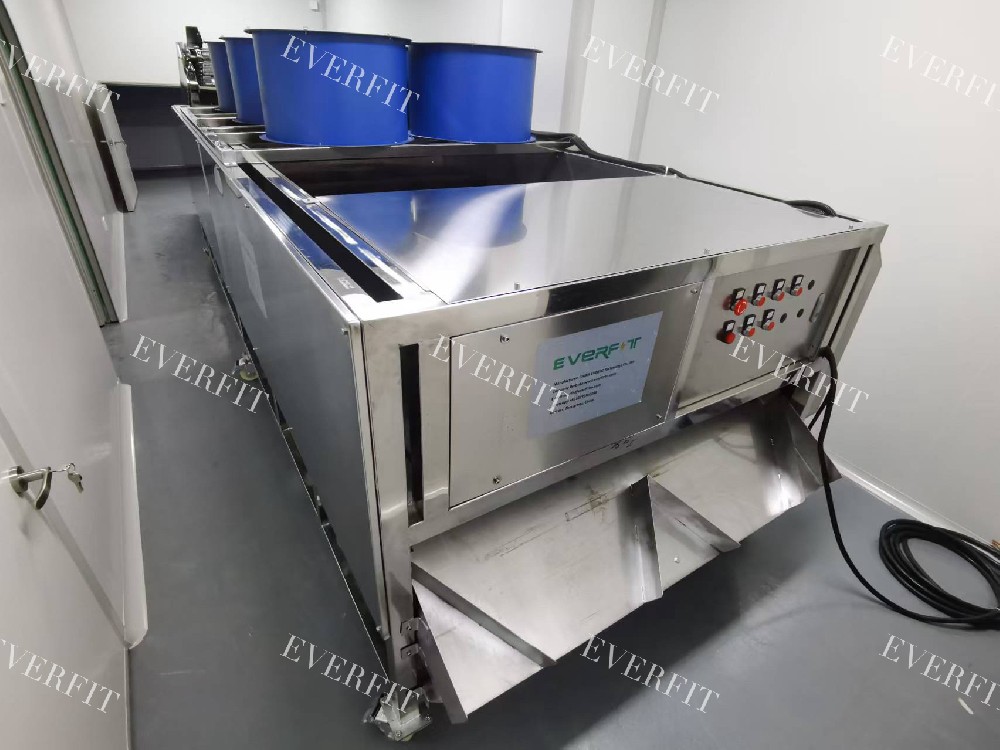
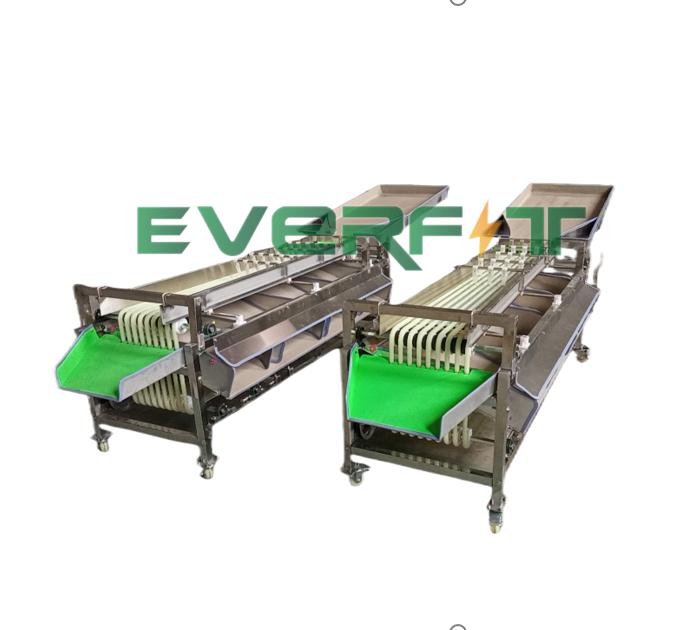
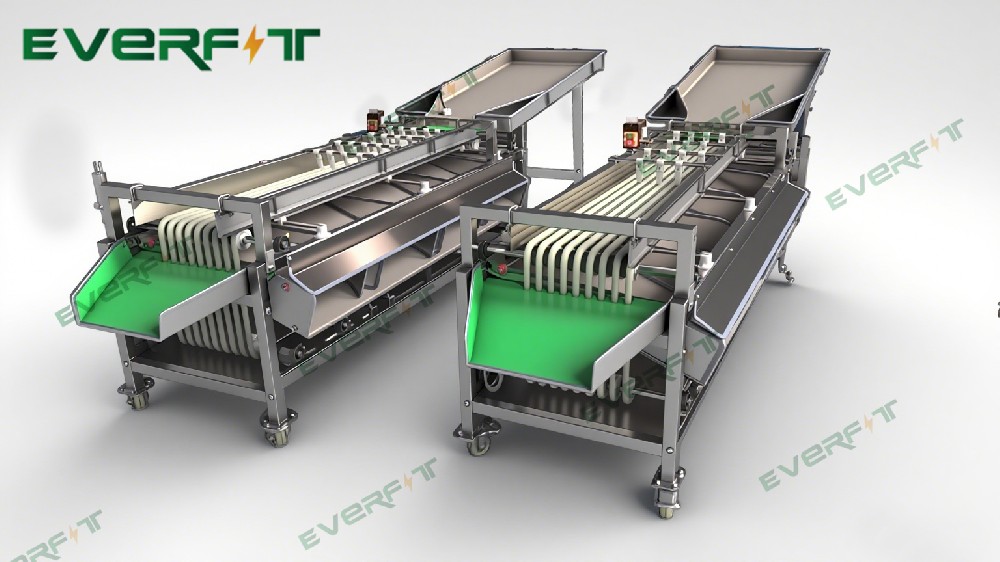
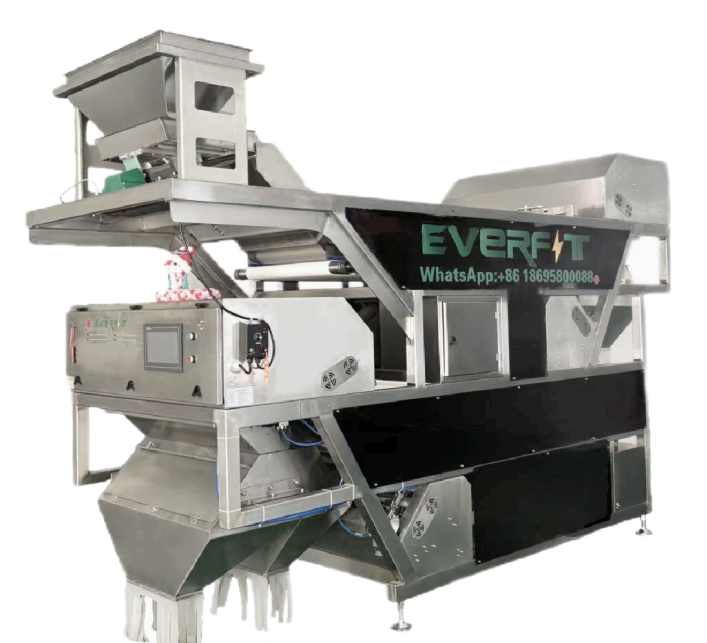
The application of color sorting machines in the food processing industry has covered multiple sub sectors, mainly through optical recognition technology to achieve efficient sorting, improve product quality and safety. The following are specific application directions and cases: